
24/40
adult-use and medical cannabis states — where three in four Americans live
NCSL, 2024 · Pew Research, 2024
-37%
decline in 10th grade cannabis use over the past decade, as 24 states legalized
MTF Survey, 2024
$25B+
in state tax revenues for schools, parks, and more since 2014
MPP, 2025
70%
of Americans of all political stripes support cannabis legalization
Gallup, 2023
WHAT THE EVIDENCE SHOWS
Why Legalize and Regulate Cannabis
Over a decade of data from states that legalized cannabis points in one direction.

⎯ CONSUMER PROTECTION
Regulated cannabis products are lab-tested for pesticides, potency, and contaminants before they reach the consumer — something no unregulated market can guarantee.
Mandatory lab testing, accurate potency labeling, and child-resistant packaging protect consumers. Without regulation, consumers don't know what they're buying.
⎯ PUBLIC SAFETY
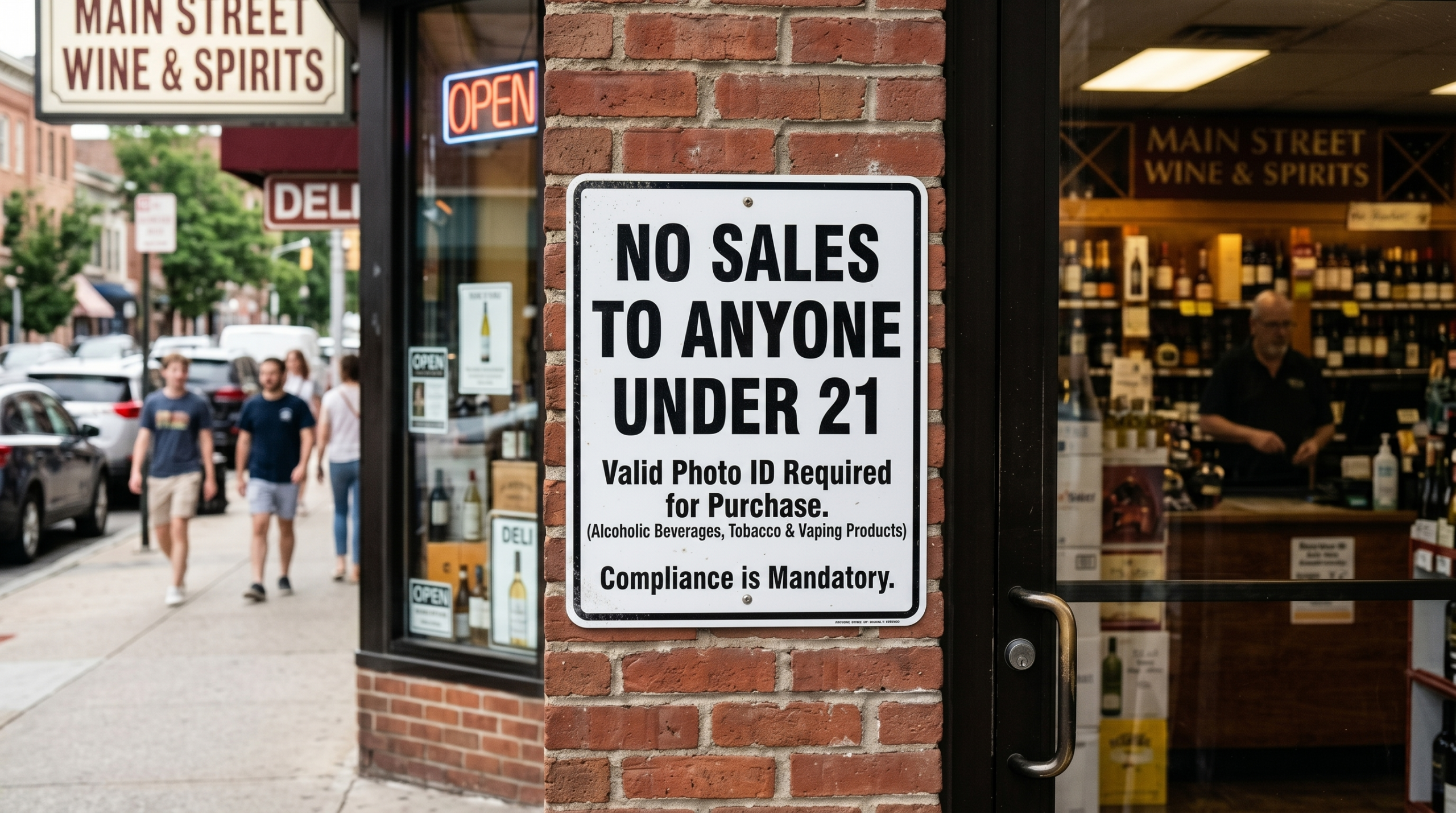
Teen cannabis use has reached a 30-year low as legal states replaced dealers with licensed dispensaries that check IDs, but illegal dealers don't.
In state after state, youth use dropped after regulated markets opened. Licensed dispensaries face license revocation for sales to minors. Illegal dealers don't card anyone.
⎯ ECONOMIC IMPACT
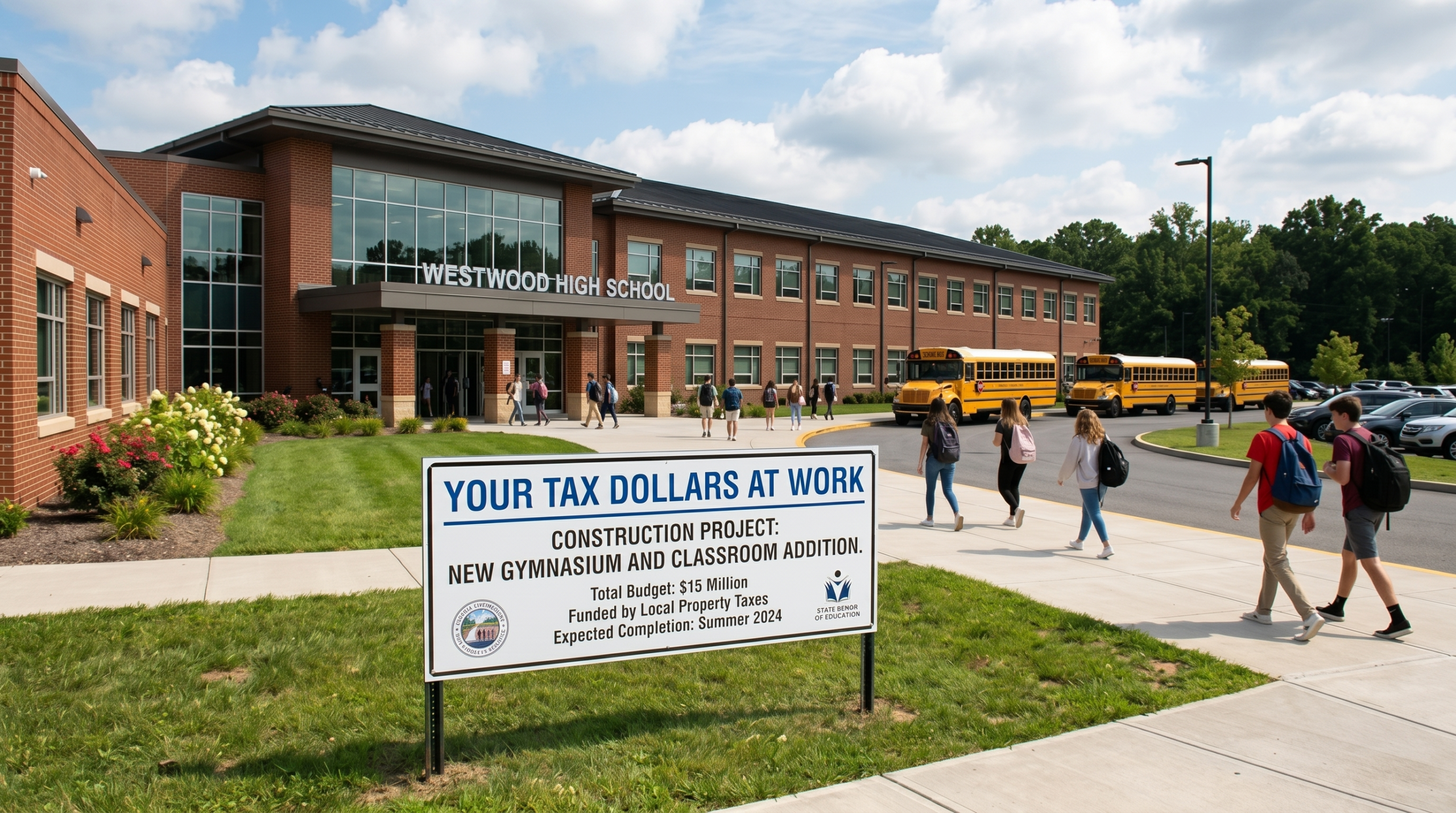
Legal cannabis has generated more than $25 billion in state tax revenue since 2014 — funding schools, parks, and public services.
Colorado directs cannabis revenue to public school construction. Illinois funds community reinvestment. Arizona supports community colleges. The legal industry employs 425,000 Americans.
⎯ MEDICAL USE
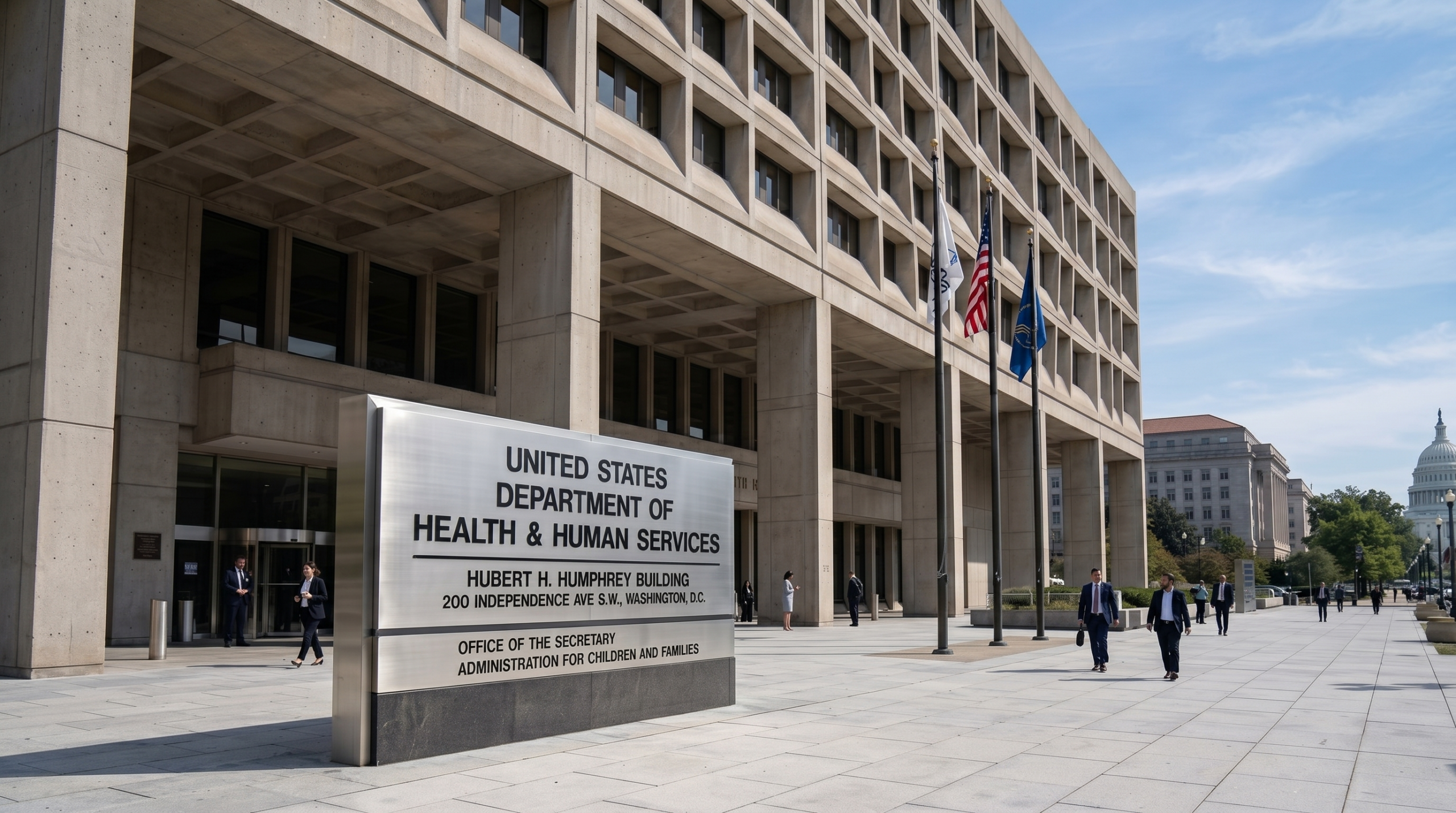
In 2023, the federal government found that cannabis has accepted medical use and low abuse potential.
After a full scientific review under the Controlled Substances Act, the Department of Health and Human Services recommended rescheduling cannabis from Schedule I to Schedule III.
- SETTING THE RECORD STRAIGHT
Myths spread quickly, but the facts are clear.
Cannabis prohibition has generated decades of misinformation. Explore the most persistent myths — from gateway drug claims to youth access and crime — with citations from federal health agencies and peer-reviewed research.
| MYTH | FACT |
|---|---|
| "Cannabis is a gateway drug that leads to harder substance use." | The CDC and DEA have both debunked the gateway theory. Federal health agencies twice found that cannabis is not a precursor to other controlled substances. |
| "Legalization leads to more teenagers using cannabis." | In Washington State, youth cannabis use fell significantly between 2008 and 2021. Nationally, 10th-grade use dropped 28% in 2021 despite more states legalizing. |
| "Legal cannabis only helps the illicit market grow." | Legal states have collected over $25 billion in combined tax revenue since 2014 — funds directed to education, treatment, and public infrastructure. |
PUBLIC OPINION
Where Americans stand
Support for cannabis legalization has reached historic highs — now a majority position across party lines, age groups, and regions. Public opinion reflects, and closely tracks, the growing evidence base. See the full public survey data →
Gallup 2023 Annual Poll: "Do you think the use of marijuana should be made legal?"
- EXPERT VOICES
Researchers, Physicians, and Policy Leaders on Cannabis
For journalists covering cannabis and related issues, we offer a curated roster of experts — including physicians, researchers, law enforcement leaders, attorneys, and policy analysts.